
Florida has a reputation for being one of the most expensive states for home and property maintenance, largely because of its aggressive subtropical climate and vulnerability to severe weather. Deferred maintenance will have heavier consequences, and costs can skyrocket before you even know it.
Failing to address your rental property's maintenance needs can eventually lead to financial, legal, and administrative headaches. Being proactive is the best way to get ahead of a problem, and to do that, you need to identify the specific risk you may face in Florida.
Key Highlights:
- Climate drives costs. Heat, humidity, and storms put extra strain on your systems and structure, so maintenance in Florida is more frequent than in most states.
- The law sets a baseline. Section 83.51 requires compliance with building, housing, and health codes and covers basics like plumbing and common areas, so repairs can't wait until it's convenient.
- Moisture is the hidden threat. Florida has no dedicated residential mold statute, but leaks, poor ventilation, and humidity can still create a habitability violation.
- Roofs, windows, and storm prep protect your investment. Annual inspections, post-storm photo documentation, and clear gutters help with both insurance claims and tenant disputes.
- Prevention costs less than repair. Twice-yearly AC servicing, annual termite inspections, and regular leak checks catch problems before they become expensive.
What Are The Factors That Affect Maintenance in Florida?
It’s easier to find the issues that can pop up when you understand what causes them, along with the circumstances that may make it more challenging to resolve property-related problems.
- Climate is the biggest driver of maintenance costs in Florida. The heat and humidity put heavier strain on your rental property’s appliances, systems, and structure. Air conditioners work harder, the moisture causes mold growth, and material degradation is accelerated.
- Legal frameworks can also obligate you to attend to maintenance issues, whether or not it’s a convenient time for you. Section 83.51 of the Florida Statutes requires you to abide by building, housing, and health codes to maintain habitability standards. This also covers the basics like plumbing and upkeep of common areas.
- Maintenance costs are also relatively more expensive in Florida compared to other states. Hourly rates can sit near or slightly below the national average, but the frequency of maintenance required to keep conditions good can outpace your income if you don’t account for them properly.
Common Maintenance Issues in Florida
Listed below are maintenance risks you need to look out for.
Air Conditioning Failures
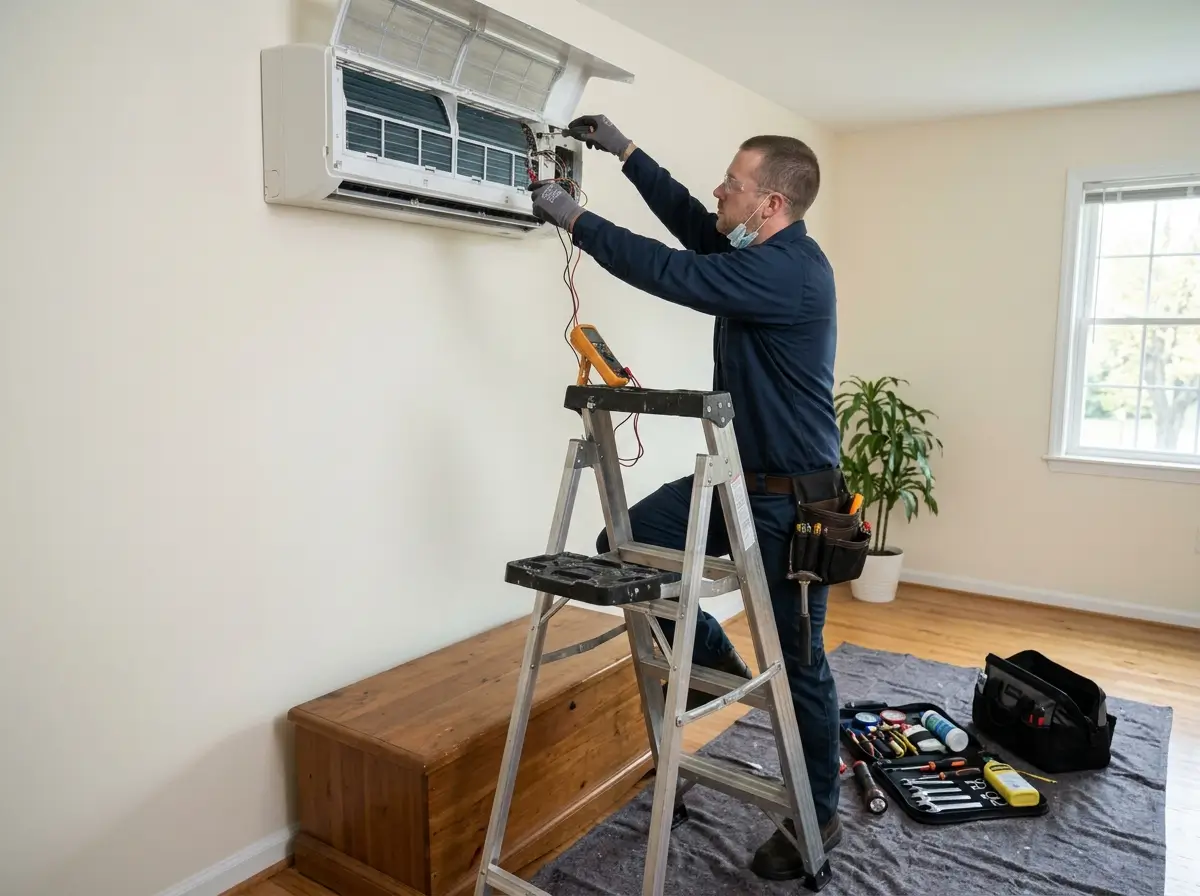
Air conditioning is considered a core habitability issue in Florida, not a luxury. Although state law doesn’t require cooling units in rental properties, it is often a dealbreaker for potential tenants when a property doesn’t have a cooling unit. That means you have another appliance on your list of things to maintain.
The practical way to approach potential issues is to be preventive. Service your systems twice a year, replace filters on schedule, keep condensate drain lines clear, and budget for replacements once a unit passes 12 to 15 years. A clogged drain line can cause water damage that costs far more than the maintenance visit would have.
Moisture and Mold
Many locals have complained about Florida’s humidity causing discomfort, and property owners can tell you how it also makes mold a constant threat. The state has no dedicated residential mold statute, but that doesn't let landlords off the hook. It can still count as a habitability violation, especially if it puts your tenants’ health at risk.
It can be caused by roof leaks, plumbing leaks, and poor ventilation. Watch out for slow plumbing leaks under sinks, water heater seepage, bathroom fans that don't vent properly, and stained ceilings
Roofs, Windows, and Hurricane Exposure
The threat of hurricanes in Florida is well-known, which is what worries a lot of home and rental property owners. With that said, roof and window upkeep is the key to easier maintenance. Aging roofs can fail under wind and heavy rain, and many insurers can raise your premium because of it. Inspect your roof and windows annually and after every storm.
Hurricane preparedness is part of your job too. Make sure gutters and drains are clear, trees near the structure are trimmed, and shutters or impact windows work properly. After a storm, document damage with dated photos before any repairs begin, which will matter for insurance claims and any later tenant disputes.
Pests
Termites, roaches, rodents, and ants thrive in Florida's climate. If you have a multifamily property, Florida law requires you to provide regular extermination services under Section 83.51. If a tenant needs to leave for extermination, you also have to provide 7 days' written notice and abate the rent.
Termites should also be monitored closely since they damage structures quietly for years. Once you spot signs of a termite infestation, it’s usually already expensive to treat and fix. Hire a professional to conduct inspections at least once a year so you can remedy the issue before it turns into a health and safety risk.
FAQs
Is air conditioning legally required in Florida rentals?
- State law doesn't require a cooling unit. But if you provide one, you're expected to maintain it, and most tenants treat AC as essential. A property without it is hard to rent, and a broken unit in summer can quickly become a habitability dispute.
Do Florida landlords have to deal with mold even without a mold law?
- Yes. Without a specific statute, mold can still count as a habitability violation, especially if it affects tenant health. Fix the moisture source, such as a roof leak, plumbing leak, or poor ventilation, and then remediate the mold.
How often should I inspect the roof and windows?
- At least once a year and after every significant storm. Aging roofs can fail under wind and heavy rain, and insurers may raise premiums or limit coverage on older roofs.
Why Professional Maintenance Makes Sense
Florida rewards landlords who stay ahead of maintenance and penalizes those who don't. AC failures, mold, roof damage, pests, and storm exposure all share one trait: they are cheapest to fix early and most expensive once they have spread.
Meeting those demands while keeping up with inspections can be a lot to take on by one person, which is where companies like Property Management of North Florida come in. We already know the protocols and related laws to ensure compliance, and you will gain access to our resources to streamline operations.
Partner with us, and experience what stress-free property ownership is like.
More Resources:
How to Reduce Vacancy Rates for Rental Properties in North Florida
10 Reasons to Hire a Property Management Company in North Florida